
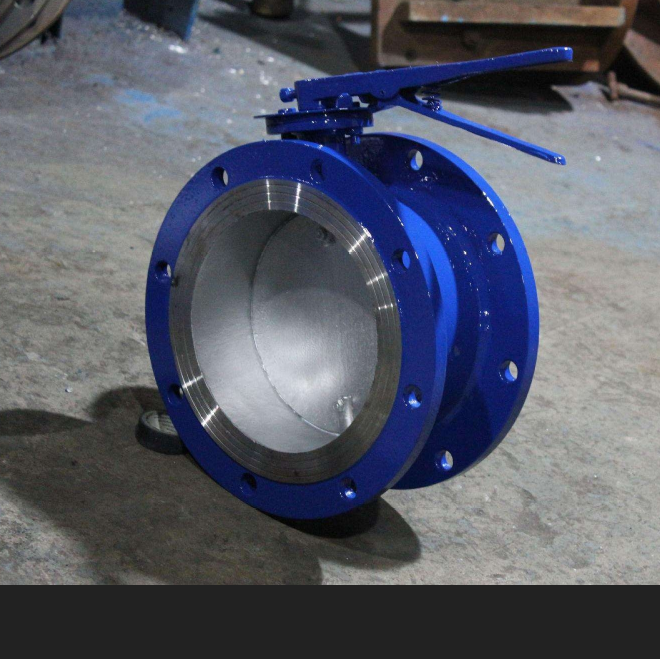
laminated glass railing
Understanding the Metal Marking Gauge A Essential Tool for Precision Marking In the world of metalworking and carpentry, precision is paramount. Every cut, every joint, and every assembly must be executed with an exceptional degree of accuracy to ensure the final product meets the desired specifications. One tool that stands out in aiding precision marking is the metal marking gauge. This tool is an essential instrument for any craftsman, metalworker, or DIY enthusiast who values accuracy and quality in their work. In this article, we will explore what a metal marking gauge is, its components, uses, and why it is invaluable in the workshop. What is a Metal Marking Gauge? A metal marking gauge is a mechanical tool used primarily to scribe lines on metal, wood, or other materials, ensuring precise measurements and clean markings. Designed with functionality in mind, a marking gauge allows users to create consistent marks for cutting, drilling, or joining materials. Unlike ordinary pencils or pens that can smudge or fade, the lines created by a marking gauge are both precise and permanent, making them ideal for technical work. Components of a Metal Marking Gauge A typical metal marking gauge consists of several key components 1. Beam The beam serves as the main body of the gauge and usually is made of durable, corrosion-resistant metal. It features measurement markings that allow users to set the distance from the edge of the material accurately. 2. Pointer or Scribing Head At the end of the beam, the pointer or scribing head is either a sharp point or a blade that actually marks the material. This component is vital for achieving clean, straight lines. 3. Adjustment Mechanism Most metal marking gauges have an adjustment mechanism, such as a locking screw or clamp, allowing users to fix the beam's position after setting the desired measurement. 4. Base or Foot Some models feature a base that helps stabilize the tool against the material being marked, ensuring accuracy in line placement. Uses of a Metal Marking Gauge The metal marking gauge is incredibly versatile and can be used in various applications metal marking gauge - Metalworking In metal fabrication, precision is critical . A marking gauge is commonly employed to scribe lines for cuts, helping metalworkers achieve clean edges and accurate dimensions when fabricating components. - Woodworking While primarily designed for metal, marking gauges are also used in woodworking. They help ensure that joints and edges are aligned precisely, contributing to the overall quality of the final product. - Layout Work When laying out workpieces, a marking gauge allows for accurate placement of holes, notches, and other features that require meticulous attention to detail. - Drafting and Engineering In fields such as engineering and architecture, metal marking gauges help professionals create accurate technical drawings and layouts that are crucial for project success. Why Invest in a Metal Marking Gauge? Investing in a metal marking gauge is a wise decision for anyone involved in precision work. Here are a few reasons why 1. Accuracy The design of a metal marking gauge allows for high levels of precision, helping users achieve exact measurements that are essential for quality craftsmanship. 2. Durability Made from robust materials, metal marking gauges are built to last. They withstand the wear and tear of daily use, making them a reliable tool in any workshop. 3. Ease of Use Despite their precision, metal marking gauges are relatively straightforward to use. Once the desired measurement is set, users can quickly mark lines without the risk of errors common with traditional marking methods. 4. Versatility Suitable for multiple applications, a marking gauge can be used across various materials, adding to its value as a multi-purpose tool. Conclusion In summary, a metal marking gauge is an indispensable tool for anyone engaged in precision work. Its ability to produce accurate, clean marks makes it a favorite among metalworkers, woodworkers, and engineers alike. By understanding its components and uses, individuals can appreciate the vital role that this simple yet effective tool plays in achieving high-quality craftsmanship. Whether you are a seasoned professional or a novice, incorporating a metal marking gauge into your toolkit will undoubtedly enhance your accuracy and efficiency in your projects.
about
laminated glass railing
The Essential Guide to the Spirit Level Ruler A spirit level ruler is an indispensable tool in construction, woodworking, and various DIY projects. Its primary function is to determine whether a surface is horizontal (level) or vertical (plumb). The design of a spirit level is simple yet effective, typically featuring a long straight edge with one or more vials filled with liquid and a bubble that indicates alignment. The most common type of spirit level is the bubble level, which includes a cylindrical vial that is partially filled with liquid. The bubble inside the vial indicates the level of a surface. When the bubble is centered between the marked lines on the vial, the surface is perfectly level. If the bubble shifts to one side, it indicates an incline, alerting the user to make necessary adjustments. Spirit level rulers come in various lengths, from small pocket-sized levels to longer ones that can reach several feet. The choice of length often depends on the application; for instance, a shorter level is useful for smaller projects or tight spaces, while longer levels provide greater accuracy over larger areas. spirit level ruler One of the most significant advantages of using a spirit level ruler is its simplicity. Unlike digital levels that require batteries and can fail in adverse conditions, a traditional spirit level requires no power source and is often more durable . Additionally, the clarity of the bubble's position provides instant visual feedback about alignment, making it user-friendly for both professionals and hobbyists. In construction and renovation, ensuring that surfaces are level is critical for achieving structural integrity and aesthetic appeal. Unlevel surfaces can lead to issues such as poor water drainage, compromised stability, and misaligned fixtures. For example, in carpentry, a level surface is essential for installing shelves or cabinets properly, and in plumbing, ensuring pipes are level helps prevent leaks. However, it’s essential to calibrate your spirit level regularly, as repeated use can lead to inaccuracies. Most reputable brands provide instructions on how to check and adjust levels. In conclusion, a spirit level ruler is a fundamental tool that plays a crucial role in achieving precision in various projects. Whether you are a seasoned professional or a DIY enthusiast, having a reliable spirit level on hand can make all the difference in creating a safe and visually appealing end result.
-

High quality industrial productsagement

High quality industrial products
View Details -

Meet the diverse needs of customers

Meet the diverse needs of customers
View Details -

Strict quality control

Strict quality control
View Details -

Top raw materials

Top raw materials
View Details -

Trusted supplier

Trusted supplier
View Details
Our application
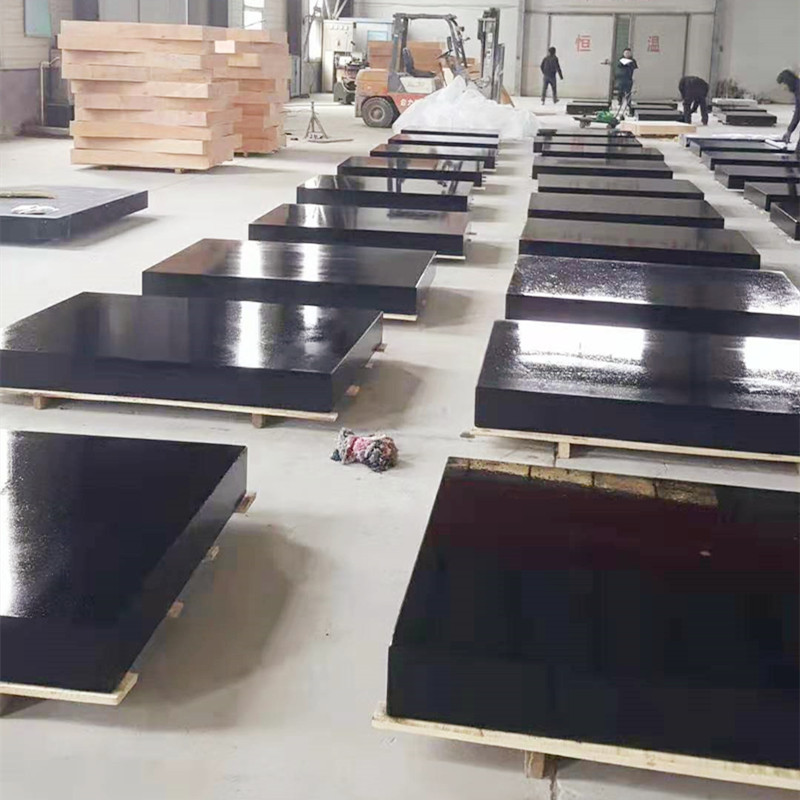

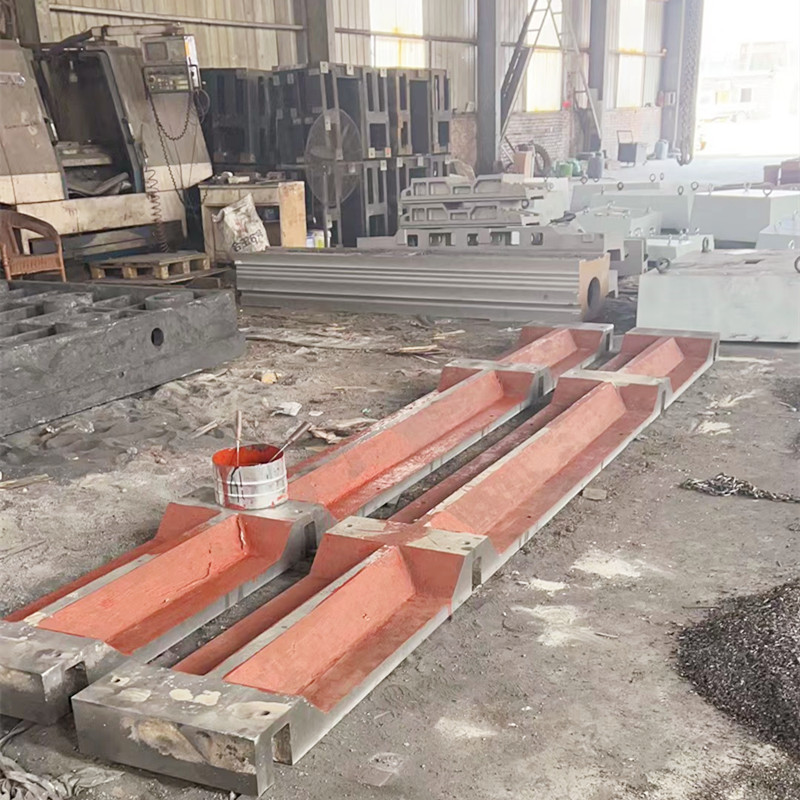

news and information
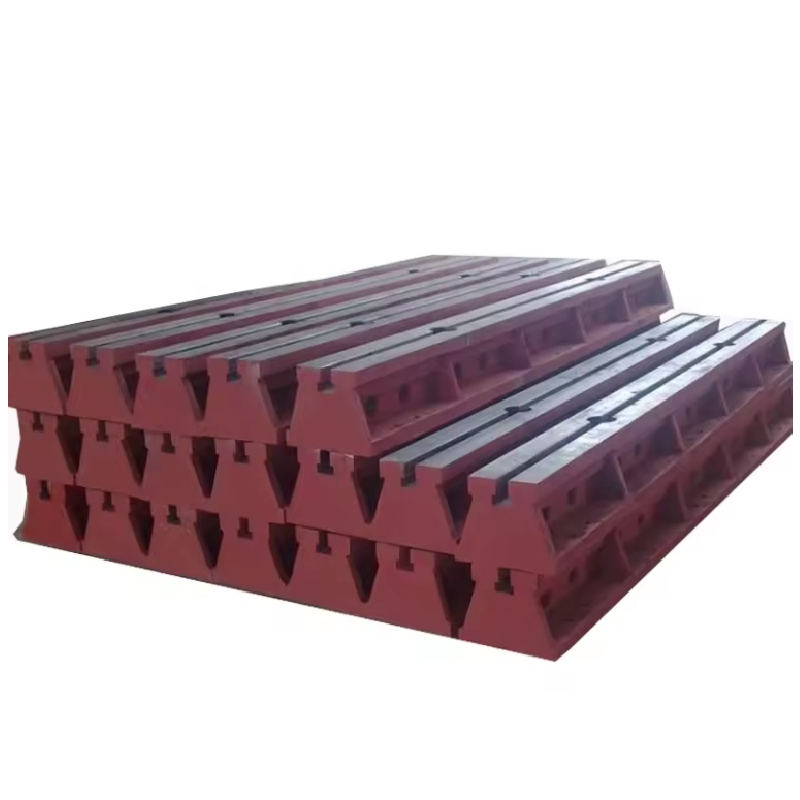
Vibrationspads
Vibrationsdämpfer Die Bedeutung von Vibrationspads in verschiedenen Anwendungen In der heutigen Welt
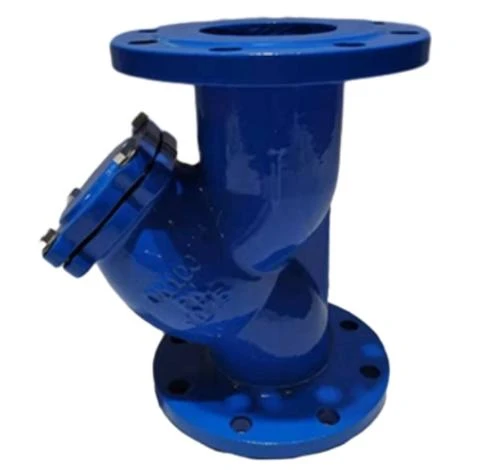
y type strainer filter
Understanding Y Type Strainer Filters Importance and Applications In various industrial processes, t
Water Pressure Control Valve for Efficient System Regulation and Flow Management
Understanding Water Pressure Reduction Valves A Comprehensive Guide Water pressure reduction valves
 English